
- DEALS
- AUSTRALIA CRUISE DEALS
- AFRICA, MIDDLE EAST & INDIAN OCEAN CRUISE DEALS
- ALASKA CRUISE DEALS
- ANTARCTICA CRUISE DEALS
- ARCTIC CRUISES
- ASIA CRUISE DEALS
- ATLANTIC ISLANDS CRUISE DEALS
- CARIBBEAN CRUISE DEALS
- CENTRAL AMERICA CRUISE DEALS
- CHRISTMAS CRUISES
- EUROPE CRUISES
- ICELAND CRUISES
- KIMBERLEY CRUISE DEALS
- MEDITERRANEAN CRUISE DEALS
- NEW ZEALAND CRUISE DEALS
- NORTH AMERICA CRUISE DEALS
- NORTHERN EUROPE & SCANDINAVIA CRUISE DEALS
- OCEANIA & PACIFIC ISLANDS CRUISE DEALS
- SOLO TRAVELLER CRUISE DEALS
- SOUTH AMERICA CRUISE DEALS
- TAHITI, TONGA & COOK ISLANDS
- TRANSATLANTIC CRUISE DEALS
- LATEST PONANT CRUISE DEALS
- All dealsSee all
- DESTINATIONS
- SHIPS
- EXPERIENCES
- LUXURY EXPEDITION CRUISES
- LUXURY YACHT CRUISES
- SMALL SHIP CRUISES
- EXPEDITION CRUISES
- LUXURY ADVENTURE CRUISES
- KIMBERLEY CRUISES
- POLAR CRUISES
- WILDLIFE CRUISES
- CULTURAL CRUISES
- PHOTOGRAPHY CRUISES
- SOLO CRUISES
- FAMILY LUXURY CRUISES
- LUXURY HONEYMOON CRUISES
- LUXURY CRUISES FOR COUPLES
- A DIFFERENT WAY TO CRUISE
- OUR VIDEOS
- PLAN YOUR CRUISE
- CRUISE THEMES
- ABOUT


PREV
NEXT
Choosing between a Small vs Large Ship Cruises is about more than selecting a cabin and an itinerary. The size of the ship can fundamentally change the way you experience your holiday.
A large cruise ship can offer an impressive range of restaurants, entertainment, activities and facilities, while a small ship can provide a more intimate atmosphere, personalised service and access to destinations that may be difficult for larger vessels to reach.
For travellers considering an expedition cruise, ship size can be particularly important.
PONANT's small ships are designed around exploration, with vessels carrying fewer than 500 guests and the ability to access smaller ports and more remote destinations.
But does smaller always mean better?
Not necessarily.
The right choice depends on what you want from your cruise.
This guide compares Small Ship vs Large Ship Cruises to help you understand the differences and decide which cruise style best matches your travel preferences.

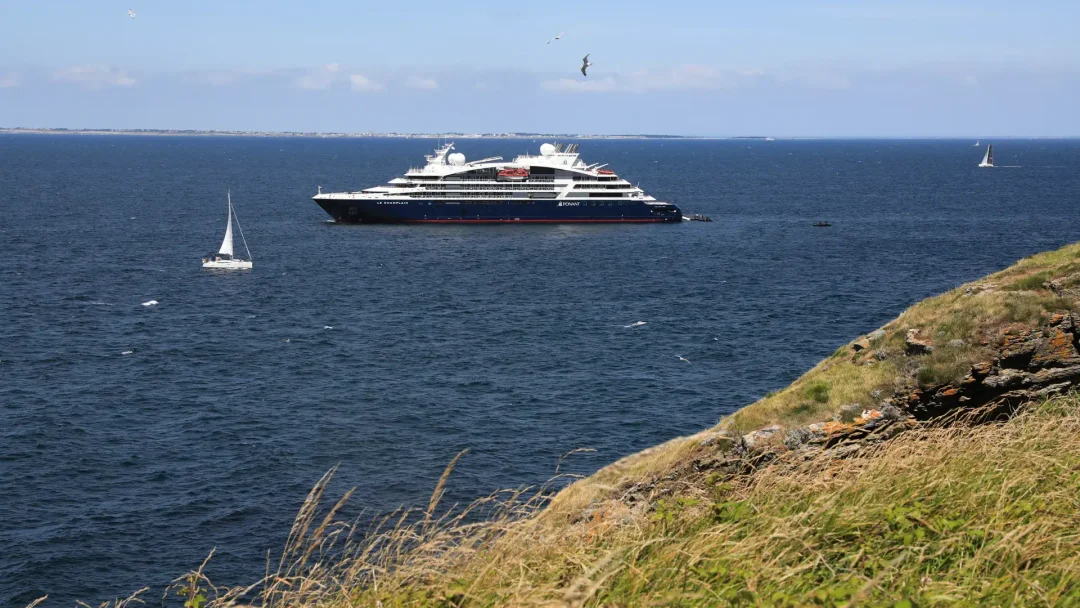
At a Glance
| Feature | Small Ship Cruises | Large Ship Cruises |
|---|---|---|
| Guest Capacity | Typically fewer than 300 guests. | Usually between 2,000 and 6,000+ guests. |
| Destinations | Remote coastlines, hidden harbours and expedition destinations. | Popular ports and established cruise terminals. |
| Atmosphere | Relaxed, intimate and highly personalised. | Lively, energetic and resort-style. |
| Dining | Fine dining with regional cuisine and attentive service. | Multiple restaurants, buffets and specialty dining venues. |
| Shore Excursions | Often included and led by expert expedition guides. | Usually optional and available at an additional cost. |
| Entertainment | Destination lectures, wildlife presentations and relaxed lounges. | Broadway-style shows, casinos, pools, water parks and nightlife. |
| Best For | Adventure travellers, couples, wildlife enthusiasts and those seeking immersive experiences. | Families, first-time cruisers and travellers looking for extensive onboard entertainment. |
| Feature | Small Ship Cruises | Large Ship Cruises |
|---|---|---|
| Passenger Numbers | Fewer guests create a more intimate and uncrowded environment. | Thousands of guests provide a lively, resort-style atmosphere. |
| Atmosphere | Relaxed, peaceful and destination-focused. | Energetic, social and packed with activities. |
| Personalised Service | Higher crew-to-guest ratios allow for attentive, personalised service. | Professional service across a much larger passenger base. |
| Dining | Fewer venues with an emphasis on fine dining and regional cuisine. | Wide choice of restaurants, buffets and specialty dining. |
| Entertainment | Expert lectures, cultural performances and enrichment programs. | Broadway-style shows, casinos, water parks, live music and nightlife. |
| Destinations | Access to remote coastlines, smaller ports and expedition destinations. | Typically visit larger ports with established cruise infrastructure. |
| Shore Excursions | Smaller groups with immersive, destination-focused experiences. | Larger group excursions with a broad selection of optional tours. |
| Ease of Getting Around | Compact layout makes it quick and easy to navigate the ship. | Larger vessels require more walking between venues and facilities. |
| Best Suited For | Luxury travellers, couples, expedition cruisers and those seeking authentic destination experiences. | Families, groups and travellers looking for maximum onboard entertainment and variety. |

One of the most noticeable differences between small and large ships is simply how many people you share the ship with.
On a small ship, you are likely to see familiar faces throughout your voyage. You may dine with other guests, attend lectures together and meet the same expedition team during excursions.
This can create a stronger sense of community.
On a large ship, there are considerably more passengers, which can provide greater anonymity and a wider choice of activities. You can easily choose whether to socialise or spend time independently.
Neither experience is inherently better.
It comes down to whether you prefer intimacy and familiarity or scale and choice.
A large ship can feel like a resort at sea.
There may be several restaurants, multiple bars, large theatres, pools, shopping areas and a long list of activities.
A small ship takes a different approach.
Instead of trying to provide everything, the focus is often on creating comfortable spaces that complement the destination.
PONANT, for example, describes its smaller ships as deliberately designed around an intimate atmosphere, with fewer distractions and a focus on relaxation, exploration and discovery.
If you love having endless entertainment choices, a large ship may be more suitable.
If you would rather spend your time watching the scenery, attending an expedition lecture, enjoying dinner or preparing for your next shore excursion, a small ship may feel more natural.
👉 Learn more about PONANT Cruise Experiences →

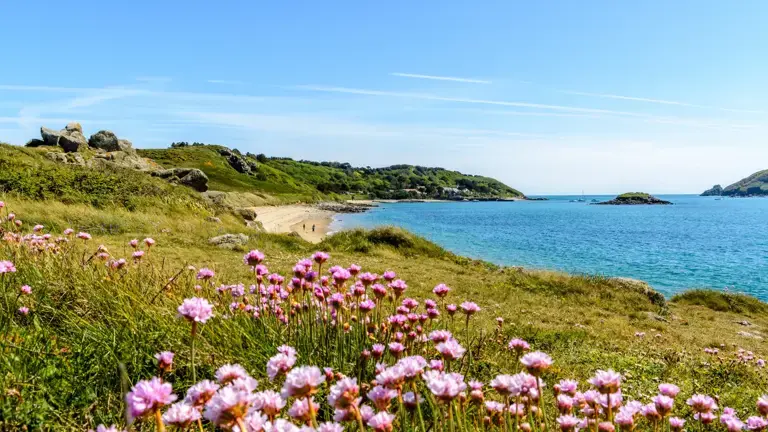


If onboard entertainment is one of your main reasons for cruising, a large ship may have the advantage.
Large ships can offer:
- Large-scale theatre productions
- Live music
- Comedy
- Nightlife
- Shopping
- Sports
- Pools and water-based activities
- Family entertainment
- Children's clubs
- Multiple lounges and venues
👉 Learn more about Expedition Cruises →
Small ships Entertainment may include:
- Destination presentations
- Expert lectures
- Cultural performances
- Live music
- Informal social events
- Photography presentations
- Wildlife and nature talks
👉 Learn more about Small Ship Cruises →
For expedition travellers, the destination itself often provides much of the entertainment.
This is one of the biggest differences between small and large ships.
A large cruise ship needs suitable infrastructure, including ports and terminals capable of accommodating its size and passenger capacity.
Smaller ships have greater flexibility.
PONANT highlights the ability of its small vessels to reach smaller ports and destinations that may be inaccessible to larger ships.
For expedition cruising, this can be particularly important.
Instead of simply arriving at a major port, a small expedition ship may be able to navigate closer to remote coastlines, islands and less-developed destinations.
This is where ship size can become part of the destination experience—not simply a choice about the ship itself.
👉 Choose your next PONANT Cruise Destination →
👉 Check out Exclusive PONANT Cruise Deals →

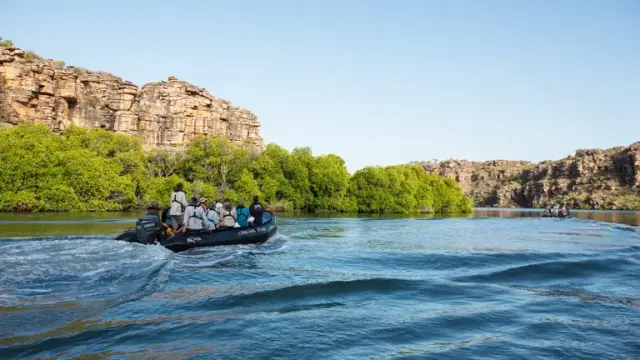
Expedition cruising is built around access and exploration.
The ship needs to operate in environments where conventional cruise infrastructure may not exist.
Small expedition ships can be particularly well suited to this style of travel because they are designed around exploration rather than simply transporting large numbers of passengers between major ports.
PONANT's expedition fleet includes ships specifically designed to access remote destinations, with expedition vessels such as Le Jacques-Cartier carrying up to 184 guests and other PONANT expedition ships carrying around 245 guests.
This smaller scale supports experiences such as:
- Zodiac excursions
- Remote shore landings
- Wildlife observation
- Scenic coastal exploration
- Small-group activities
- Expert-led expeditions
- Access to less-visited destinations
For travellers considering Antarctica, the Kimberley or other remote expedition destinations, ship size deserves serious consideration.
👉 Learn more about Antarctica Cruises →
👉 Learn more about Kimberley Cruises →
👉 Learn more about Expedition Cruises →
One of the major attractions of small-ship cruising is the opportunity for a more personal experience.
With fewer passengers, the crew and expedition team can become familiar with guests throughout the voyage.
PONANT specifically highlights its small ships' high crew-to-guest ratios and personalised service as an important part of the experience.
Large ships operate on a different model.
Their scale allows them to provide an enormous variety of facilities and services, but the experience can naturally feel less intimate.
If you value recognition, personal attention and a smaller social environment, small ships may have the advantage.
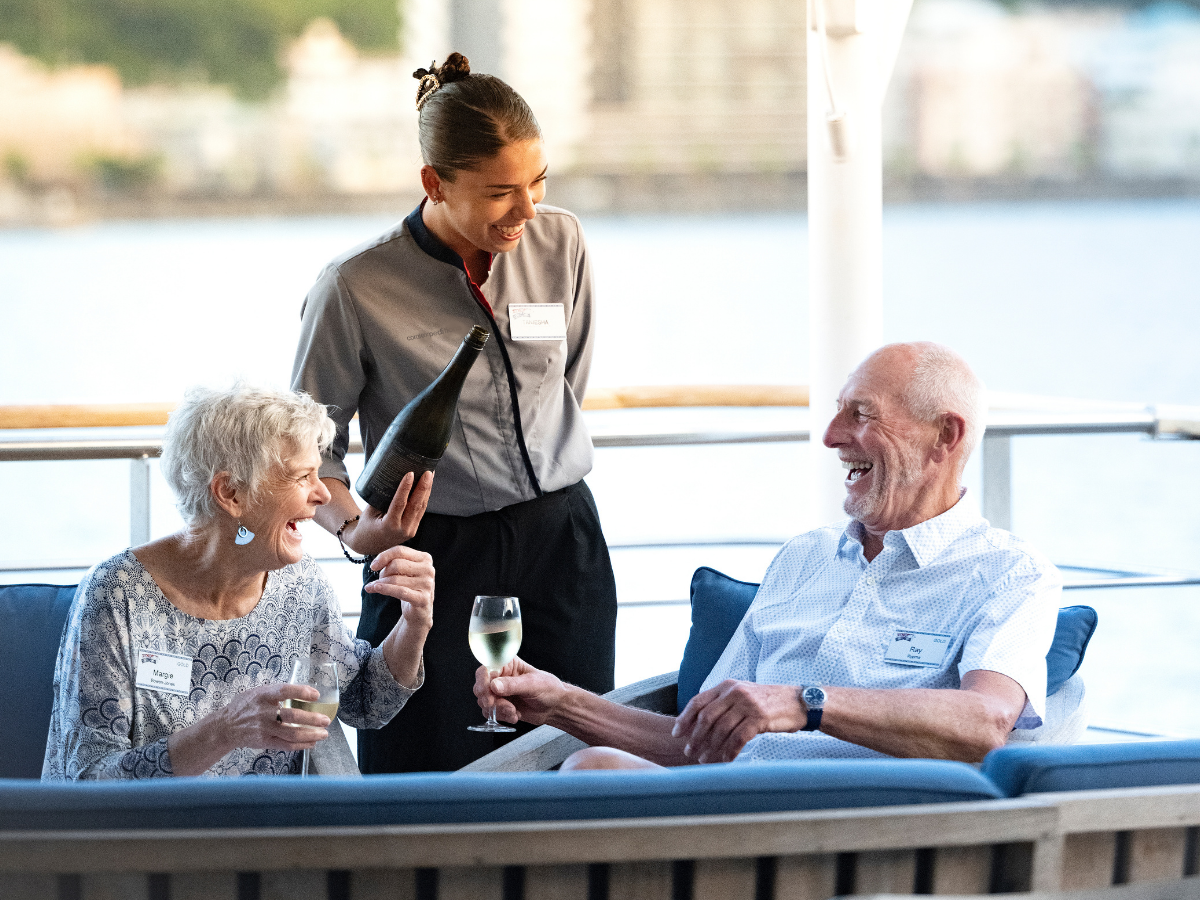
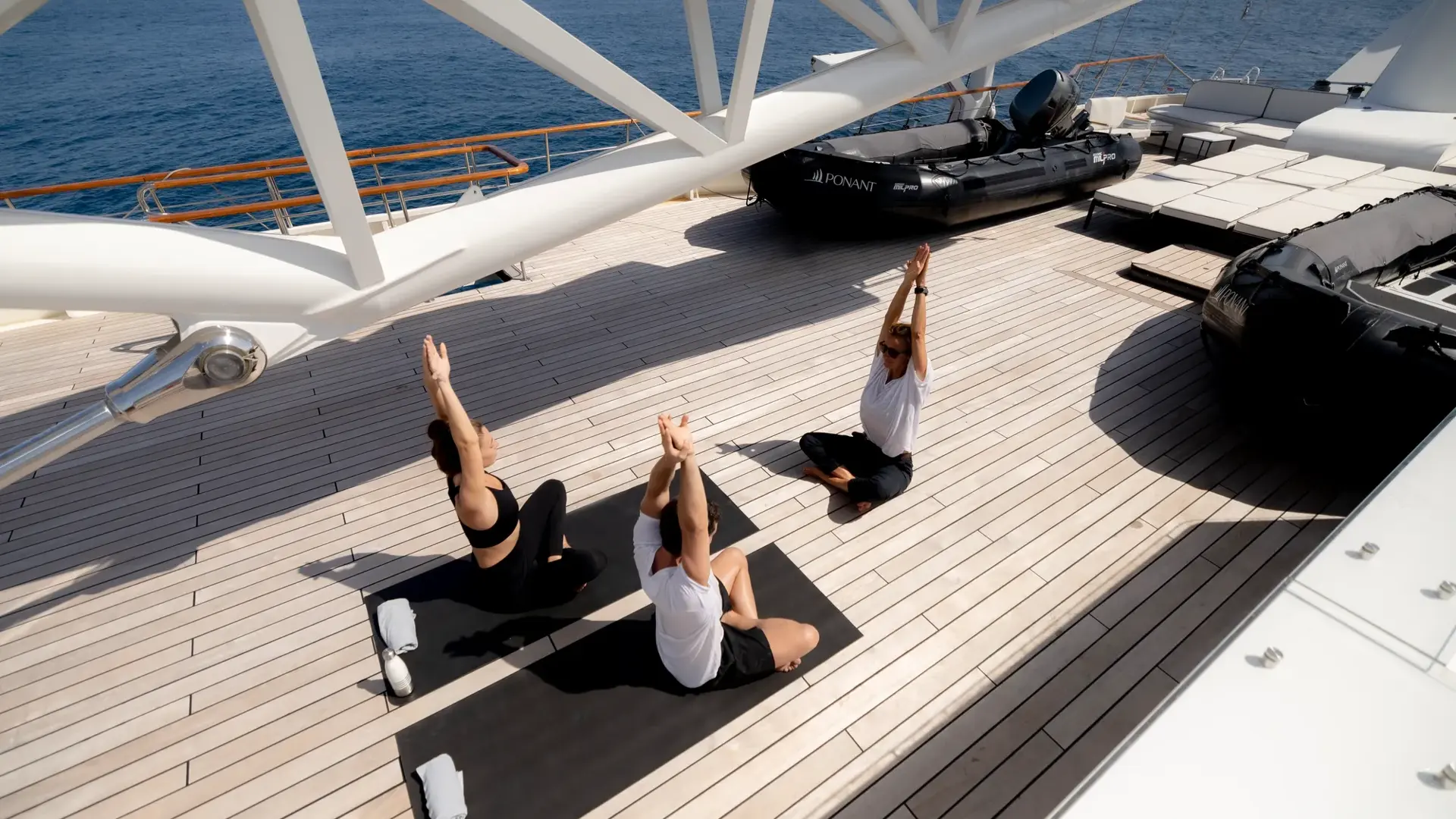
Generally, yes.
A small ship tends to have fewer passengers and fewer large-scale entertainment venues, creating a more relaxed atmosphere.
That can be particularly appealing if you want to:
- Read on deck
- Watch wildlife
- Enjoy scenic cruising
- Attend destination presentations
- Have relaxed meals
- Spend time in quieter lounges
- Connect with fellow travellers
However, small ships are not necessarily silent or formal.
An expedition cruise can be lively when guests return from a Zodiac excursion or wildlife encounter.
The difference is that the energy is usually centred around the journey and destination rather than large-scale entertainment.
👉 Learn more about Small Ship Cruises →
A small ship cruise can have a higher fare than some large-ship cruises, but comparing prices purely by the number shown on the booking page can be misleading.
Consider what is included.
Depending on the cruise line and itinerary, a small luxury or expedition cruise may include experiences and services that would cost extra on another cruise.
When comparing two cruises, look at:
- Accommodation
- Dining
- Drinks
- Excursions
- Expedition activities
- Transfers
- Wi-Fi
- Enrichment
- Service
- Destination access
- Group size
The cheapest cruise is not necessarily the best-value cruise.
👉 Learn more about Small Ship Cruises →
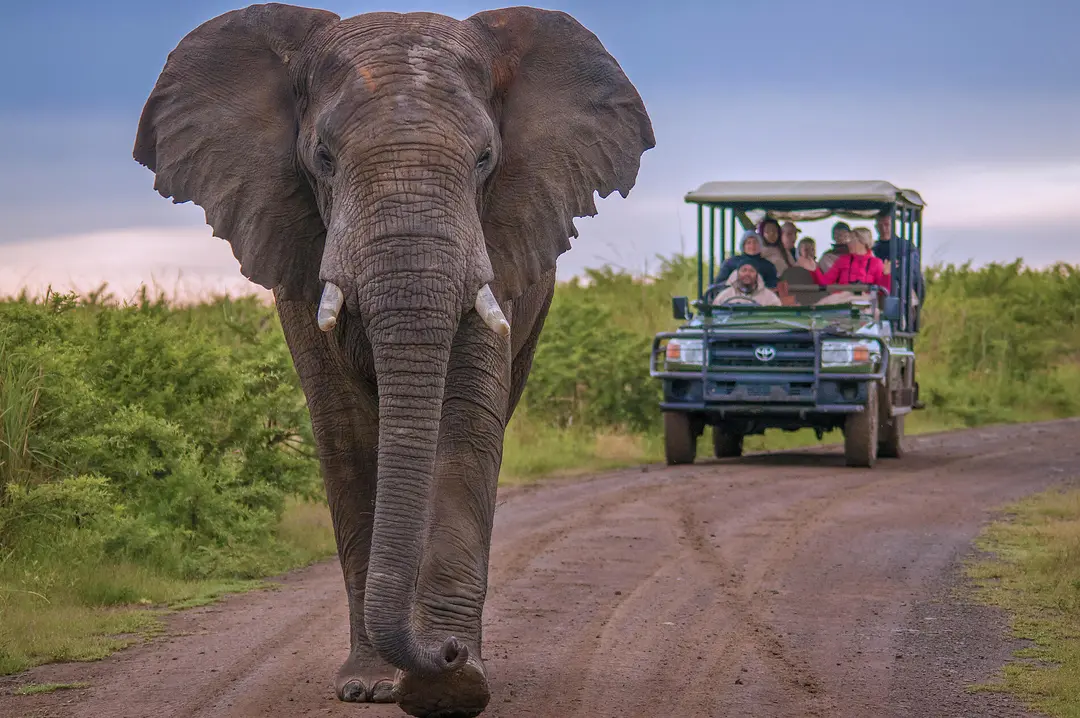

For families with children, a large ship can provide a significant range of dedicated facilities and entertainment.
These may include children's clubs, family pools, sports, games and age-specific activities.
Small ships can work well for families who prefer:
- Nature
- Wildlife
- Cultural experiences
- Outdoor exploration
- Smaller groups
- Educational experiences
However, always check the minimum age requirements and activity requirements for your specific itinerary.
For an expedition cruise, the destination and activity level can be more important than ship size alone.
👉 Learn more about Family Luxury Cruises →
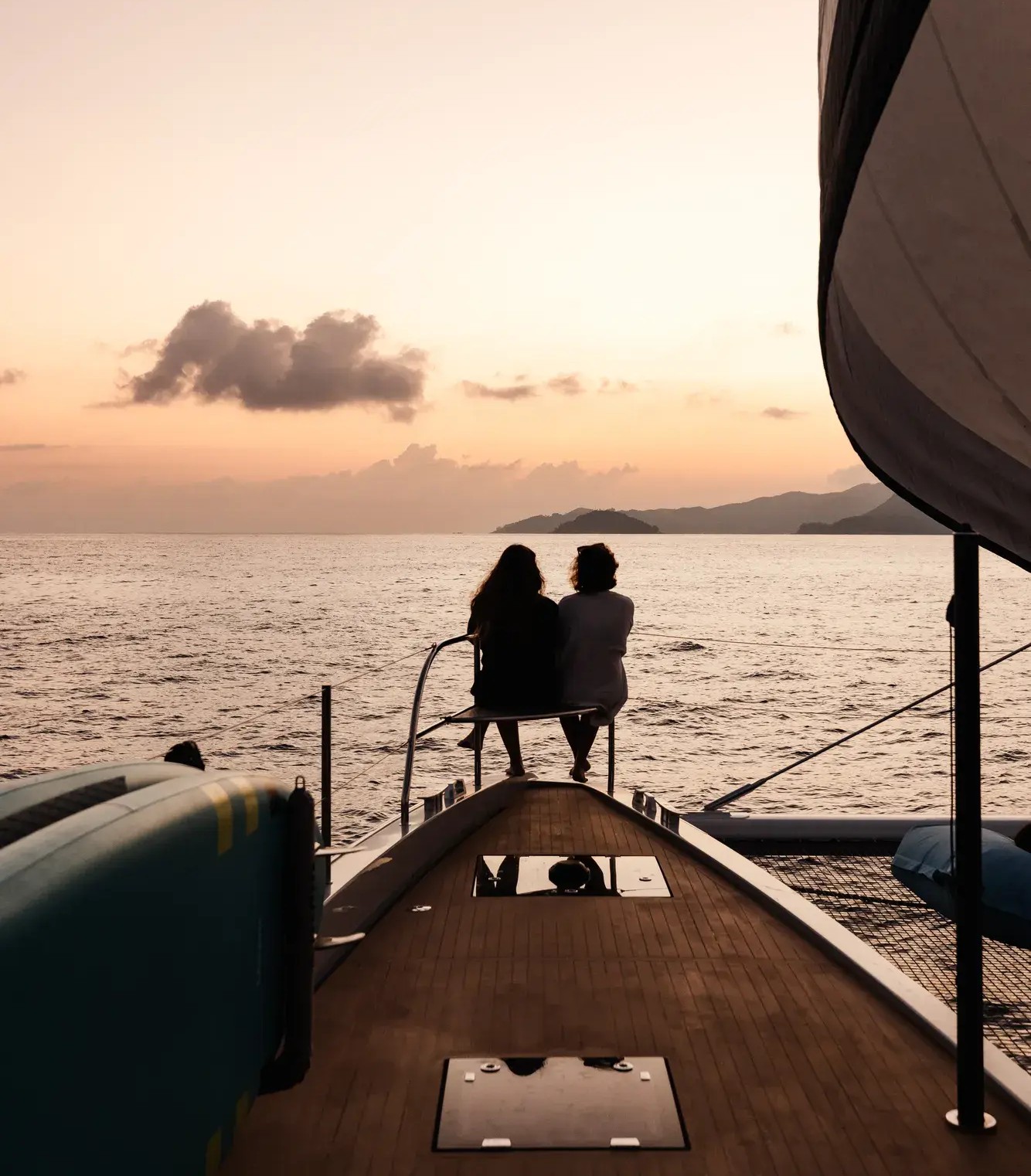
Couples looking for a quieter holiday may appreciate the atmosphere of a small ship.
There are fewer passengers, fewer crowds and often a stronger sense of privacy.
A small ship can be particularly appealing for:
- Anniversary trips
- Honeymoons
- Milestone birthdays
- Luxury escapes
- Expedition adventures
- Scenic journeys
However, couples who enjoy nightlife, entertainment and a large choice of restaurants may prefer a larger ship.
👉 Learn more about Luxury Cruises for Couples →
Key advantages include:
- Fewer passengers
- More intimate atmosphere
- Personalised service
- Smaller excursion groups
- Access to smaller ports
- Strong destination focus
- Expedition capabilities
- Less crowded public areas
- Greater sense of community
- Relaxed onboard environment
For PONANT, small-ship design is central to its exploration philosophy. Its fleet includes expedition ships and next-generation explorers designed to reach remote destinations while maintaining a luxury onboard experience.

Large ships can be ideal if you value:
- Extensive dining choices
- Large-scale entertainment
- Nightlife
- Shopping
- Family facilities
- Pools and recreational areas
- Numerous onboard activities
- A lively atmosphere
- More cabin categories
- Plenty of choice
For some travellers, the ship is an important part of the holiday.
For others, the ship is primarily the comfortable base from which they explore the destination.
Understanding which traveller you are can make the decision much easier.

| If You Prioritise... | Best Choice |
|---|---|
| Remote destinations and hidden ports | Small Ship Cruises |
| Wildlife encounters and expedition experiences | Small Ship Cruises |
| A quiet, intimate atmosphere | Small Ship Cruises |
| Personalised service | Small Ship Cruises |
| Luxury dining and destination immersion | Small Ship Cruises |
| Broadway-style entertainment and nightlife | Large Ship Cruises |
| Multiple dining venues and onboard variety | Large Ship Cruises |
| Family-friendly facilities and kids' activities | Large Ship Cruises |
| Resort-style pools, shopping and recreation | Large Ship Cruises |
| A holiday focused on the destination rather than the ship | Small Ship Cruises |
| A ship packed with activities from morning to night | Large Ship Cruises |
💡 BlueSun Insight
The right ship size depends on what you want your holiday to feel like.
One of the biggest mistakes travellers make is choosing a ship based solely on its facilities or price.
Instead, ask yourself:
"Where do I want to spend most of my time?"
If the answer is exploring remote destinations, watching wildlife, joining shore excursions and learning about the places you visit, a small expedition ship may be the better fit.
If the answer is enjoying restaurants, entertainment, pools, activities and everything a resort at sea has to offer, a larger ship may suit you better.
For travellers considering PONANT, the small-ship experience is particularly relevant because the vessels are designed around exploration, intimate cruising and access to destinations beyond conventional cruise routes.
Our advice: Don't ask whether small ships or large ships are better.
Ask which one is better for you.
1. Start With Your Destination
Where do you want to go?
If remote destinations such as Antarctica or the Kimberley are high on your list, ship size can be particularly important.
2. Think About Your Onboard Priorities
Do you want entertainment and facilities, or relaxation and exploration?
3. Consider Passenger Numbers
Would you prefer a small community or the anonymity and scale of a large ship?
4. Look Beyond the Cruise Fare
Compare what is actually included before deciding which cruise represents better value.
5. Think About Your Activity Level
Expedition cruises may involve Zodiac excursions, shore landings, walking and changing weather conditions.
6. Match the Ship to Your Travel Personality
The best cruise ship is the one that matches how you actually like to travel.

A small ship could be right for you if you:
- Prefer intimate travel
- Love nature and wildlife
- Want to visit remote destinations
- Enjoy learning about the places you visit
- Prefer personalised service
- Like smaller groups
- Value destination access
- Are interested in expedition cruising
- Prefer a quieter atmosphere
- See the journey as an experience rather than simply transportation
You may prefer a large ship if you:
- Love entertainment
- Want extensive dining choices
- Enjoy nightlife
- Travel with children who want lots of activities
- Want resort-style facilities
- Enjoy shopping
- Prefer having numerous onboard options
- See the ship itself as a major part of your holiday
Neither style is inherently better.
The best choice is the one that matches your expectations.
Choosing between a small ship and a large ship cruise can be challenging, especially if you're unsure which experience is right for you. To help you decide, our PONANT experts have answered some of the most frequently asked questions about the key differences between both cruise styles.
Browse the FAQs below, or contact our team for personalised advice on 1300 799 758.
Not necessarily. Small ships are generally better suited to travellers seeking intimacy, personalised service and destination access, while large ships can be better for travellers who prioritise entertainment, facilities and choice.
There is no single industry-wide definition. PONANT operates luxury small ships carrying fewer than 500 guests, with some expedition vessels carrying fewer than 250 passengers.
They can be. Ship size does not determine luxury. Small luxury ships can offer high-quality accommodation, dining, service and wellness facilities.
Not necessarily. Seasickness depends on the vessel, itinerary, sea conditions and individual sensitivity. Always discuss your concerns with a cruise specialist before booking.
Small expedition ships are particularly well suited to Antarctica because expedition vessels are designed around Zodiac operations, shore landings and exploration. However, the right ship depends on the itinerary, expedition capabilities and your preferences.
They can be. Age itself is not the determining factor. Mobility, fitness and the activity requirements of the itinerary are more important.
Large ships often provide a wider range of family-focused facilities and entertainment. However, families who prefer wildlife, nature and educational experiences may enjoy small expedition ships.
Usually, they have fewer large-scale recreational facilities, but this does not mean fewer experiences. Small expedition ships can offer Zodiac excursions, shore landings, wildlife encounters, lectures and destination-focused activities.
A smaller vessel can generally access smaller ports, waterways and destinations that may not be suitable for larger vessels. This is one of the key advantages of small-ship expedition cruising.
A small ship is generally the better choice if you prefer a quieter and more intimate environment.
Large ships generally offer a much greater variety of entertainment and recreational facilities.
Small Ship Cruises
Discover why small ships offer a more intimate way to explore the world's most remarkable destinations.
First-Time Expedition Cruises
Discover what to expect from your first expedition cruise, including Zodiac excursions, shore landings, wildlife and activity levels.
Expedition Cruises
Learn how expedition cruising differs from conventional ocean cruising and why small ships are particularly suited to remote destinations.
Choosing a PONANT Ship
Explore the factors to consider when selecting the right PONANT vessel for your journey.
Choosing the Right PONANT Ship
Compare PONANT ships, facilities, expedition capabilities and onboard experiences.
Antarctica Cruises
Discover PONANT's Antarctic expedition options and what to consider when choosing your polar voyage.
Kimberley Cruises
Explore the spectacular Kimberley coastline, waterfalls, wildlife and remote landscapes by expedition ship.
Choosing between a small ship and a large ship is ultimately about choosing the type of holiday you want to experience.
If you're looking for remote destinations, intimate surroundings and expedition-style exploration, a small ship could be an excellent fit.
If you prefer extensive entertainment, dining choices and resort-style facilities, a larger ship may suit you better.
Not sure which is right for you?
Tell us where you want to go, what you enjoy and how you like to travel. Our cruise specialists can help you compare your options and find the right ship for your journey.
Contact BlueSun Travel Today
 Browse the Latest PONANT Cruise Deals
Speak with a BlueSun Expedition Cruise Specialist - 1300 799 758
Click on the button below to request a Personalised Cruise Recommendation

If you want to becoma a Small vs Large Ship Cruises traveller, talk to our friendly PONANT experts now. We are world leaders in Luxury Expedition Cruises.
Call 1300 799 758 now.
Call us 7 days a week!